
Best Fuel Practices for Winter Storage of Outdoor Equipment
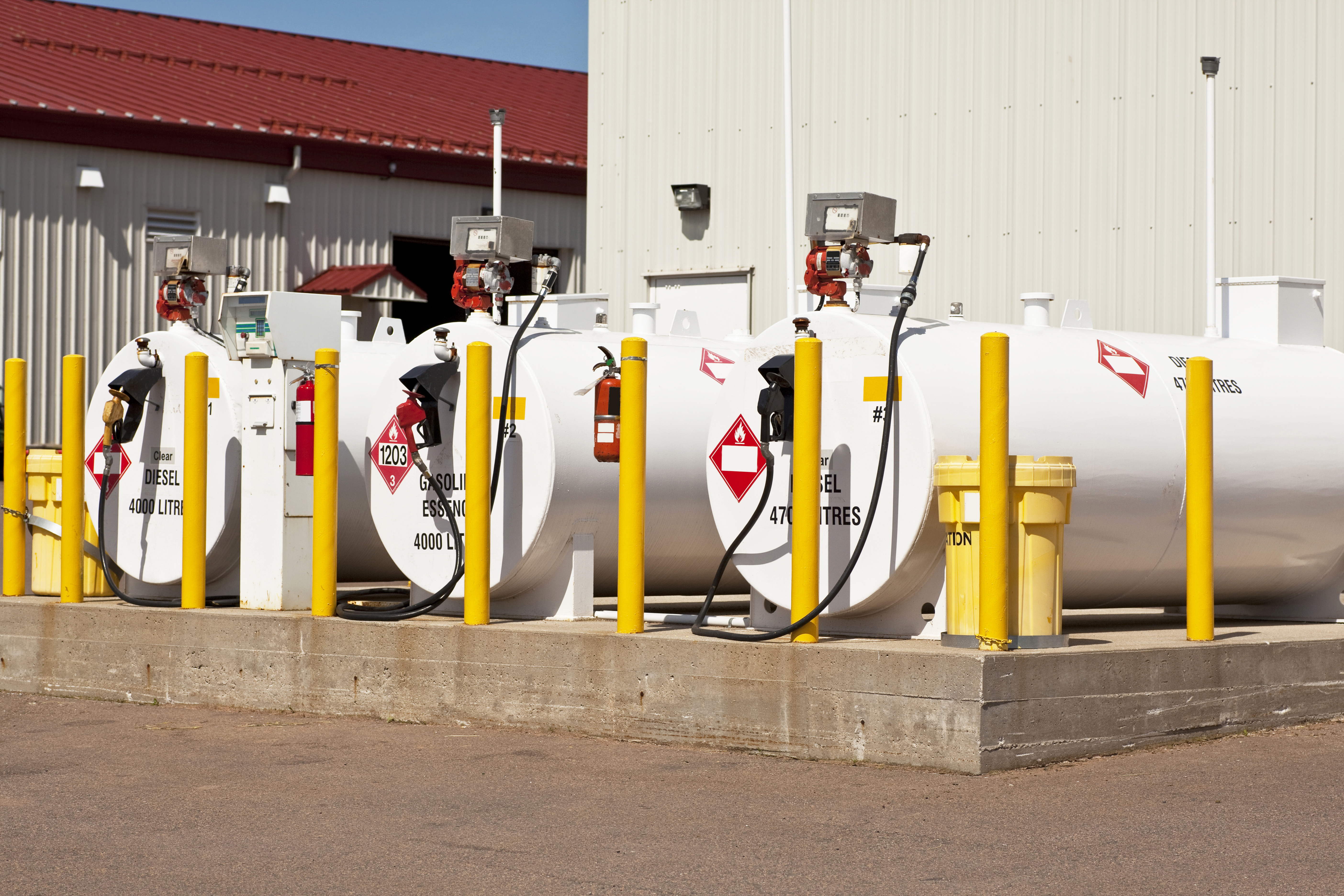
Winter storage is the stress test for fuel management. During the growing season, frequent use hides small mistakes; during winter, chemistry takes over. Outdoor equipment sits idle, temperatures fluctuate, and fuel continues to change even when engines don’t run. The difference between a machine that starts first pull in spring and one that doesn’t often comes down to what happened in the weeks before storage.
The goal of winter fuel preparation is not perfection. It is control. Control over oxidation, moisture, residue formation, and component exposure during the months when intervention is least convenient.
The first decision is whether fuel should remain in the machine at all. For equipment that will be unused for several months, standard petrol left in the tank is the highest-risk option. As petrol degrades, lighter fractions evaporate and sticky compounds form. Ethanol-blended fuels add moisture absorption to the mix, increasing the likelihood of corrosion and phase separation. Leaving that fuel in place through winter exposes the carburettor and fuel system to slow, uninterrupted chemical change.
Draining the system is one common approach. Proper draining means more than emptying the tank. Fuel remains in lines and carburettor bowls unless the engine is run dry. Running the engine until it stops ensures fuel is removed from the most delicate components. This method reduces the risk of residue formation but requires care to avoid overheating or dry-running issues, especially in two-stroke engines.
An alternative approach is controlled storage with stable fuel. Replacing standard petrol with a more chemically stable option before winter allows fuel to remain in the system without the same level of risk. The key is timing. Stable fuel should be introduced while the engine is still in regular use, then circulated thoroughly so it reaches the carburettor and fuel lines before storage begins.
Two-stroke equipment requires additional consideration. Mixed fuel ages faster than straight petrol, particularly when ethanol is present. For winter storage, mixed fuel should not be left in tanks unless it is specifically formulated for long-term stability. Draining two-stroke systems after use is often the safest route, unless a long-life pre-mixed fuel is used consistently.
Fuel stabilisers are sometimes used as a compromise. When added to fresh petrol and circulated properly, stabilisers can slow oxidation and extend fuel life through winter. Their effectiveness depends entirely on timing and coverage. Adding stabiliser to fuel that has already degraded provides little benefit. Likewise, adding stabiliser without running the engine leaves untreated fuel in critical components.
Container management matters as much as machine preparation. Fuel stored in cans over winter degrades even if it is not in a machine. Partially filled containers allow more air exchange, accelerating oxidation and moisture absorption. If fuel must be stored, containers should be sealed, kept cool, and filled appropriately. Old fuel left in cans through winter is rarely suitable for spring use in small engines.
Temperature swings are an underappreciated factor. Garages and sheds often warm during the day and cool rapidly at night. This cycling encourages condensation inside tanks and containers. Machines stored in these environments benefit from either empty systems or fuels that tolerate moisture exposure. Simply covering equipment does not prevent internal temperature changes.
Fuel system materials also influence winter outcomes. Rubber hoses, seals, and primer bulbs are particularly vulnerable to ethanol exposure over long idle periods. Winter storage concentrates this exposure into a continuous stretch. Removing fuel or replacing it with a gentler alternative reduces stress on these components when they are most vulnerable.
Operational planning can simplify these decisions. Many owners manage multiple machines with different usage patterns. Grouping equipment by fuel strategy — drained systems versus stable-fuel systems — reduces confusion. Clear labelling of containers and machines prevents accidental reintroduction of unsuitable fuel after storage.
Commercial operators often formalise this process. Fleet-level winterisation plans treat fuel as a controlled variable rather than a consumable. In that context, guidance shared by suppliers such as Ron Smith often frames winter fuel handling as a workflow step, not a maintenance afterthought. This reframing reduces spring downtime across entire equipment sets.
Spring failures frequently trace back to winter shortcuts. Carburettor blockages, corroded jets, and brittle fuel lines develop quietly while machines sit untouched. These failures are rarely sudden; they are the cumulative result of months of chemical exposure without interruption.
Importantly, winter fuel practices also affect safety. Old fuel can behave unpredictably, increasing the risk of flooding during starting attempts. Repeated pull-starting on degraded fuel raises the chance of backfire or fuel spillage. Starting the season with controlled fuel conditions reduces these risks.
Environmental considerations intersect here as well. Disposing of stale fuel in spring creates waste that could have been avoided with better winter planning. Stable fuels reduce disposal frequency; draining systems at the right time limits waste volume. Both approaches are preferable to discovering unusable fuel months later.
A common misconception is that winter fuel preparation is only necessary in cold climates. In reality, inactivity is the bigger driver than temperature. Even mild winters create long idle periods where fuel degrades uninterrupted. Winterisation is about time, not frost.
Another misconception is that modern engines are immune. While newer materials may tolerate ethanol better, carburettor-based systems remain sensitive to residue and moisture. Winter does not discriminate by model year.
The most reliable winter strategies share three traits: decisiveness, consistency, and documentation. Decisiveness means choosing a clear approach rather than half-measures. Consistency means applying that approach across all equipment. Documentation means knowing what was done months later.
As winter approaches, a practical framework emerges:
Decide which machines will be drained and which will be stored with stable fuel.
Introduce stabilised or stable fuel while machines are still in use.
Circulate fuel fully through the system before storage.
Run drained machines dry to clear carburettors and lines.
Manage fuel containers with the same discipline as machines.
Spring rewards preparation, not optimism. Machines that start easily after winter do so because chemical processes were limited months earlier, not because components suddenly improved. Fuel decisions made in autumn set the ceiling for spring reliability.
Rather than viewing winter storage as an end point, it helps to treat it as a handover. Fuel either exits the system cleanly or enters a state designed to endure inactivity. There is little middle ground.
When winter fuel practices are deliberate, spring becomes routine. Machines return to service without negotiation, maintenance becomes scheduled rather than reactive, and fuel stops being the variable that undermines otherwise sound equipment. That outcome is not the result of special products or complex procedures, but of choosing a clear fuel path before storage begins — and sticking to it.


