
Planning a Garden Renovation? Here’s How to Make It Robot Mower Friendly
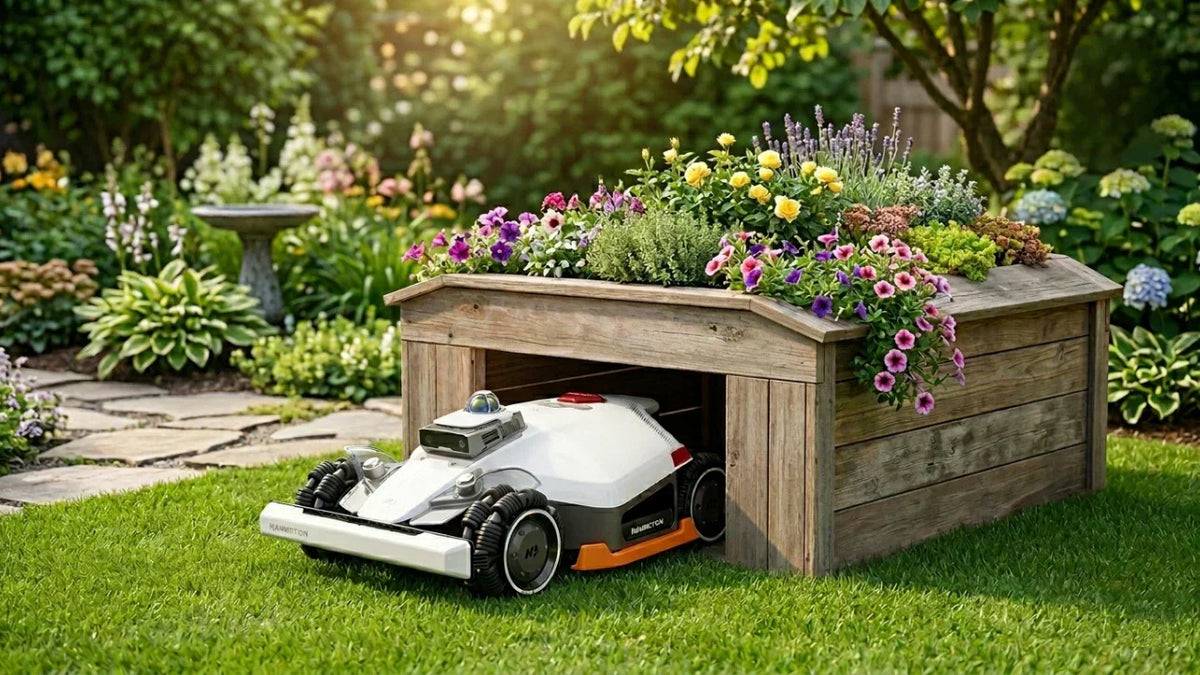
Renovating a garden is an exciting opportunity to create an outdoor space that is both attractive and practical. Whether you are redesigning the entire layout or simply updating a few areas, it is worth considering how your choices will affect future maintenance. If you already own a robot mower or are planning to buy one, designing your garden with robotic mowing in mind can save time, improve mowing efficiency and reduce the amount of manual work required throughout the year.
One of the first aspects to think about is the overall shape of your lawn. Large, open areas are generally the easiest for robot mowers to maintain because they allow the machine to move efficiently with fewer interruptions. While curved borders and unusual lawn shapes can create a striking visual effect, extremely narrow sections or sharp corners may require the mower to make frequent turns, reducing efficiency. Finding a balance between an attractive design and practical mowing can help achieve the best long-term results.
When planning new flower beds, it is helpful to consider how they will interact with the mower’s working area. Clearly defined borders make navigation much easier than irregular planting that blends gradually into the lawn. Raised edging or solid borders can create obvious separation between grass and planted areas, helping both traditional boundary wire systems and newer virtual navigation technologies operate more accurately.
Garden pathways also deserve careful planning. Many gardens include separate lawn areas connected by narrow passages, but not all robot mowers can navigate extremely tight spaces with ease. If you are creating new paths or redesigning existing ones, allowing sufficient width for the mower to travel comfortably between sections can improve reliability. Even a small increase in pathway width during the renovation stage may prevent navigation issues later.
The location of trees and shrubs should also be considered. Mature trees add character and shade, but exposed roots can create uneven ground that affects mowing performance. Low branches extending across the lawn may also interfere with navigation. If new trees are being planted, thinking about their future growth as well as their current size will help ensure the mower continues operating effectively for many years.
Edging is another feature that can significantly influence lawn maintenance. Installing mower-friendly edging allows the machine to cut closer to borders, reducing the amount of trimming required with a strimmer. This not only creates a neater finish but also saves time by limiting the number of areas that need manual attention after the mower has completed its work.
Businesses like Garden Machinery Direct often recommend thinking about robotic mowing before landscaping begins rather than trying to adapt the garden afterwards. Planning with automation in mind usually produces a more efficient layout and reduces the need for later modifications.
If your renovation includes patios or seating areas, their position can also affect mowing performance. Large paved spaces naturally divide lawns into separate sections, so considering how the mower will move between them is important. Some robot mowers can manage multiple mowing zones with ease, while others perform best when the lawn remains more connected. Understanding your chosen mower’s capabilities before finalising the design can help avoid unnecessary complications.
Water features add visual appeal to many gardens, but they should be positioned thoughtfully. Ponds, streams and ornamental pools create permanent obstacles that the mower must avoid. Leaving adequate clearance around these features and incorporating clear boundaries helps ensure safe operation while protecting both the mower and the landscaping.
Outdoor buildings such as sheds, summer houses and garden offices are becoming increasingly popular. While these structures can transform how a garden is used, they also change mowing routes and may influence satellite reception for certain navigation systems. Planning access routes around these buildings allows the mower to continue covering the lawn efficiently without creating isolated sections of grass that require manual mowing.
Drainage is another consideration that is sometimes overlooked during renovation projects. Areas where water regularly collects can become muddy after rainfall, reducing traction for robot mowers and potentially affecting lawn health. Improving drainage while carrying out landscaping work benefits both the grass and the mower, helping maintain consistent performance throughout the year.
Choosing suitable lawn edges around driveways, fences and walls can also make a noticeable difference. Where possible, installing flush or slightly overlapping edges allows the mower to cut closer to the boundary, reducing the amount of grass left behind. Small design choices made during renovation often have a lasting impact on the ease of future maintenance.
Garden furniture and decorative features should also be considered. Rather than placing ornaments, planters and seating randomly across the lawn, creating dedicated areas for these items leaves larger uninterrupted spaces for mowing. This improves efficiency while giving the garden a cleaner, more organised appearance.
Technology is another factor worth thinking about during the planning stage. If you intend to install an RTK-enabled robot mower, ensuring suitable locations for charging equipment or reference stations may be beneficial. Likewise, maintaining reliable wireless connectivity near the lawn can support app-based management features offered by many modern robotic mowers.
Perhaps the greatest advantage of planning a robot mower-friendly renovation is the reduction in ongoing maintenance. Instead of designing a beautiful garden that proves difficult to care for, thoughtful planning creates an outdoor space that combines visual appeal with everyday practicality. Small decisions about borders, pathways, lawn layout and obstacle placement can make automated mowing far more efficient.
A successful garden renovation should not only look impressive when the work is finished but also remain easy to maintain in the years ahead. By considering how a robot mower will move through the space before construction begins, homeowners can create a garden that supports efficient mowing, encourages healthy grass growth and allows more time to enjoy the finished landscape rather than continually maintaining it.


